Travel medicine is a specialized area of healthcare focused on protecting individuals from diseases, infections, and health risks associated with international travel. It includes personalized pre-travel consultations, vaccinations, prescriptions, and detailed guidance based on your destination, length of stay, planned activities, and personal medical history.
A comprehensive travel medicine assessment may include:

Common medications typically prescribed in travel medicine include:
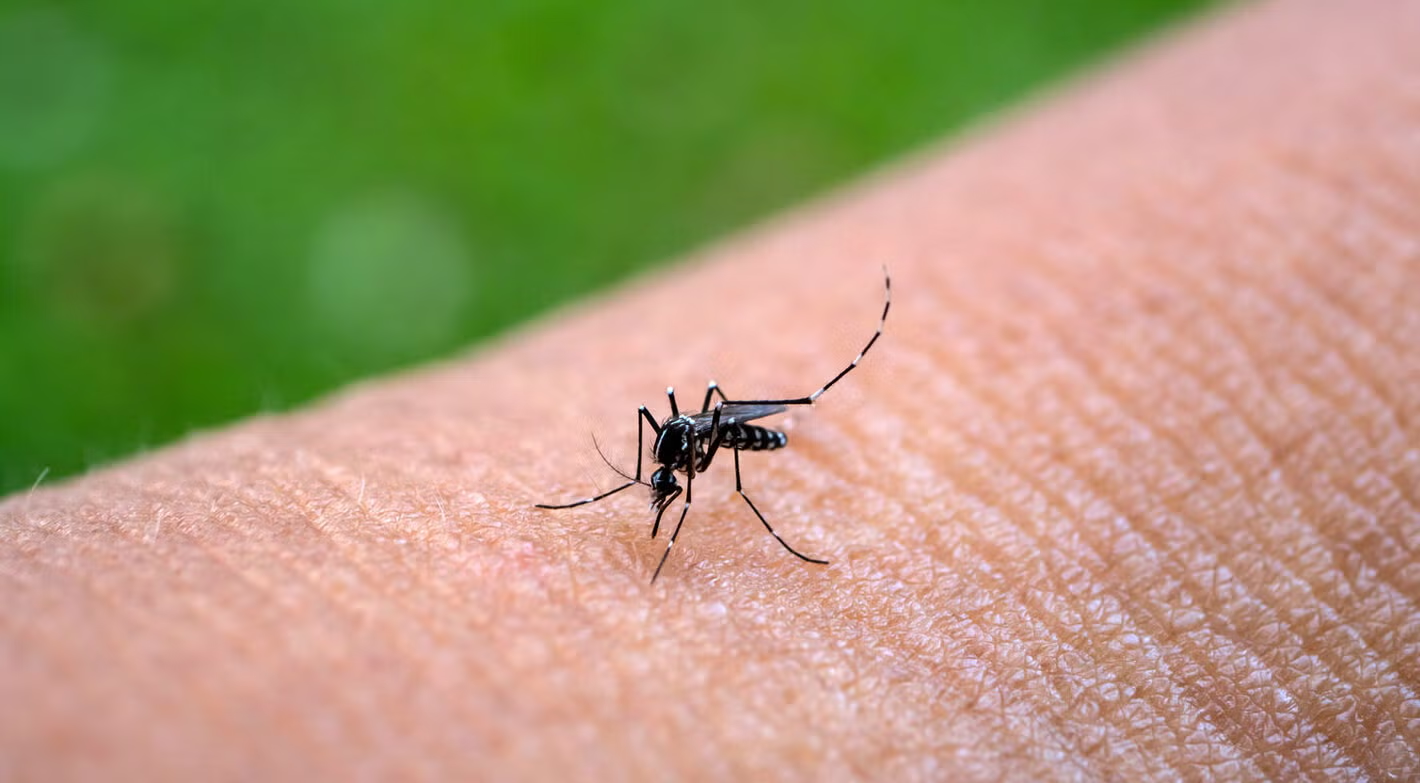
Malaria chemoprophylaxis: Atovaquone–proguanil, doxycycline, mefloquine, chloroquine, primaquine, and tafenoquine are selected based on destination-specific resistance patterns, patient comorbidities, and contraindications. Dosing regimens vary: atovaquone–proguanil is taken once daily starting 1–2 days before travel and continued for 7 days after return; doxycycline is taken once daily starting 1–2 days before travel and continued for 30 days after return; mefloquine is taken once weekly starting 1–2 weeks before travel and continued for 4 weeks after return.
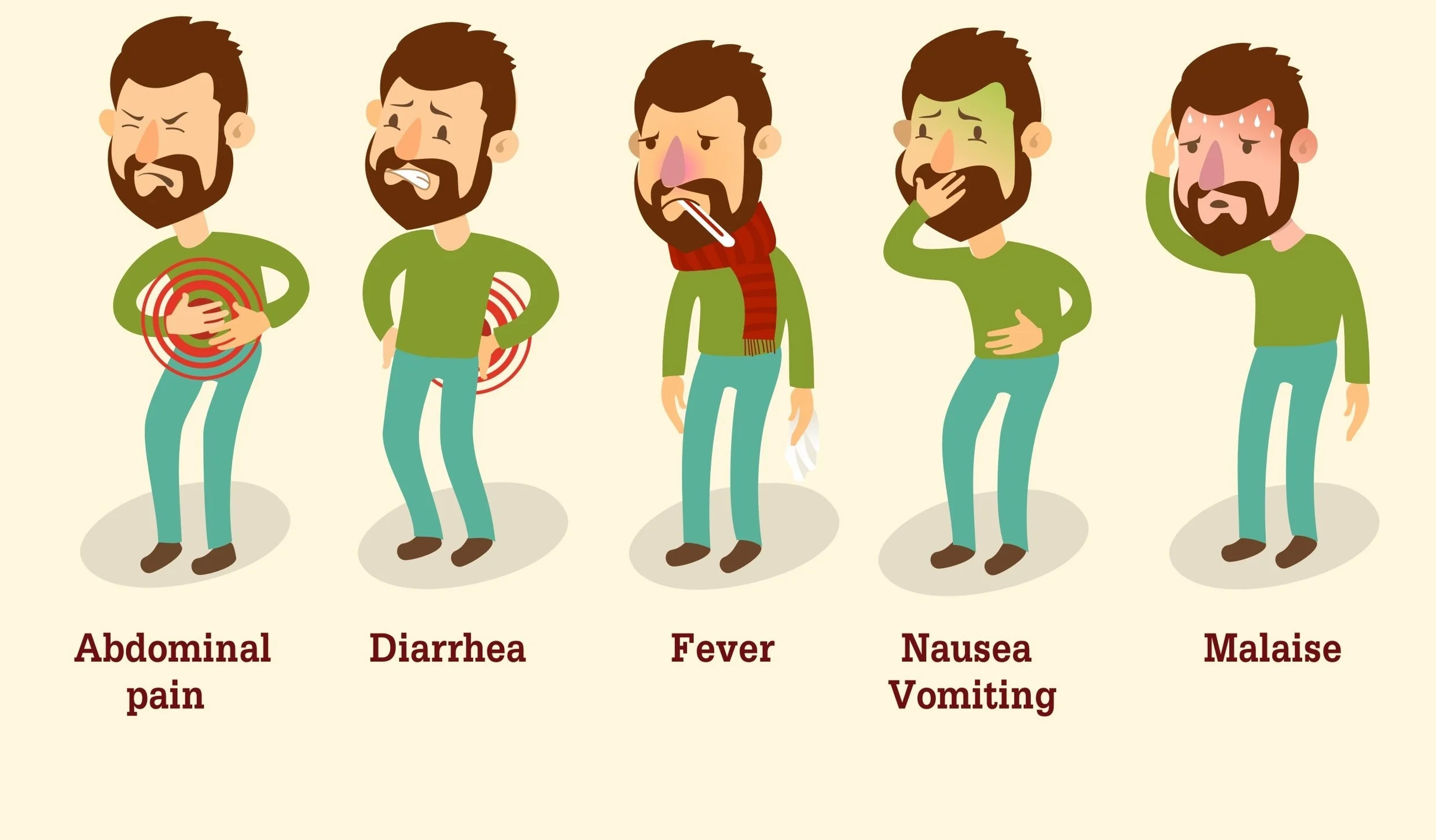
Antibiotics for self-treatment of travelers’ diarrhea: Azithromycin (single 1 g dose or 500 mg daily for up to 3 days), ciprofloxacin (500 mg single dose or daily for up to 3 days), and levofloxacin are commonly prescribed. Azithromycin is preferred in regions with high fluoroquinolone resistance (e.g., South Asia). Rifaximin may be used for noninvasive diarrhea. Loperamide and bismuth subsalicylate are recommended for symptomatic relief.
Vaccines: Routine (e.g., influenza, MMR, Tdap) and travel-specific vaccines (e.g., hepatitis A, typhoid, yellow fever, Japanese encephalitis, rabies) are administered based on itinerary and risk assessment.
Medications for altitude illness: Acetazolamide is prescribed for prevention and treatment of acute mountain sickness in travelers to high-altitude destinations.
Medications for allergic reactions: Epinephrine auto-injectors and oral antihistamines are recommended for travelers with a history of severe allergies.
Other supportive medications: Analgesics (acetaminophen, ibuprofen), antiemetics (meclizine, metoclopramide), and sleep aids may be included in travel health kits as needed.
Selection and dosing are individualized based on traveler risk factors, itinerary, and underlying health conditions.

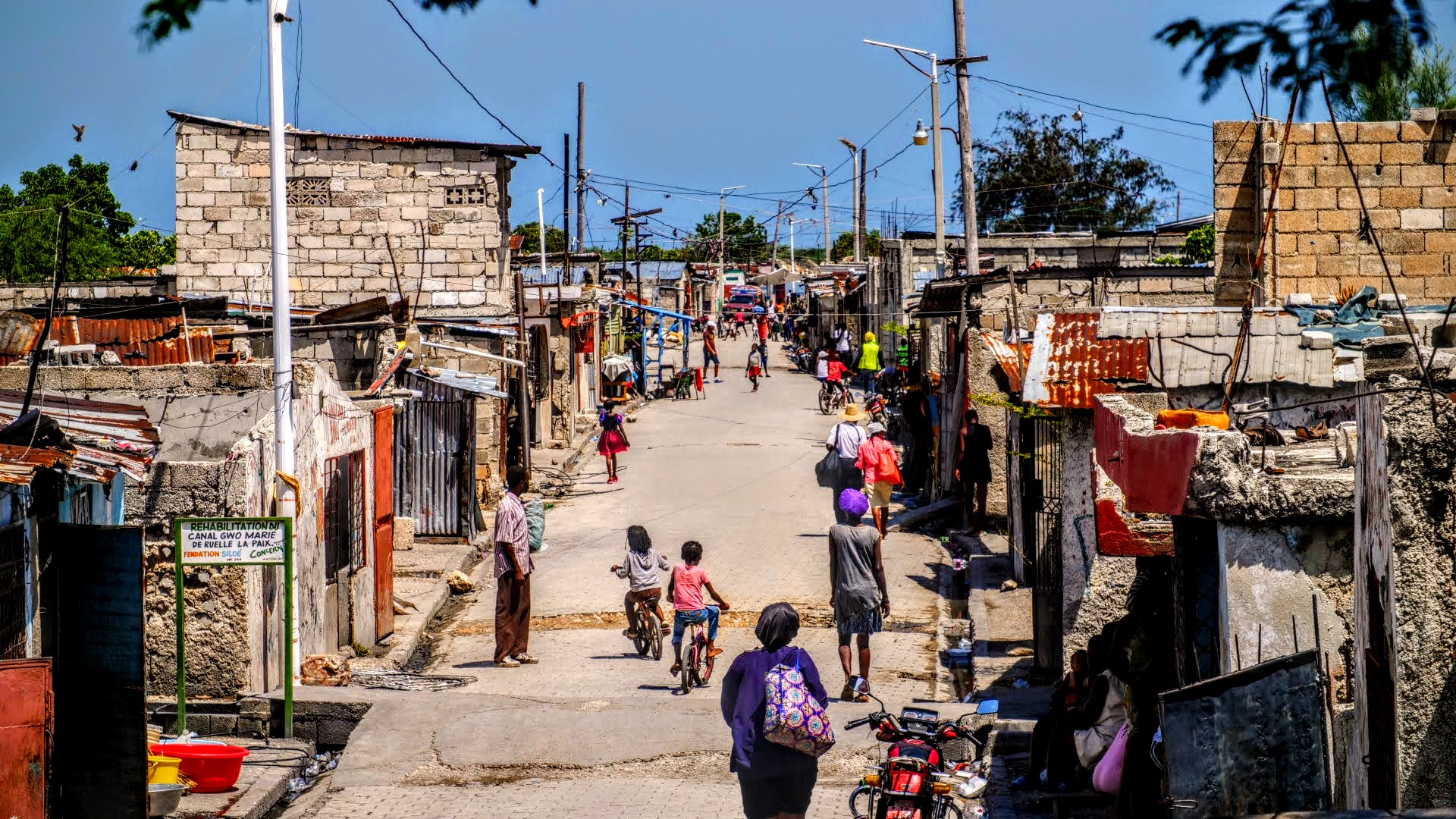
Many infectious diseases common in other parts of the world are not routinely seen in Canada. Travelers may be exposed to illnesses that are vaccine-preventable or manageable with the right medications and preparation.
High-Risk Destinations Include:
High-Risk Populations Who Benefit Most:
Without proper travel medicine care, travelers may face: