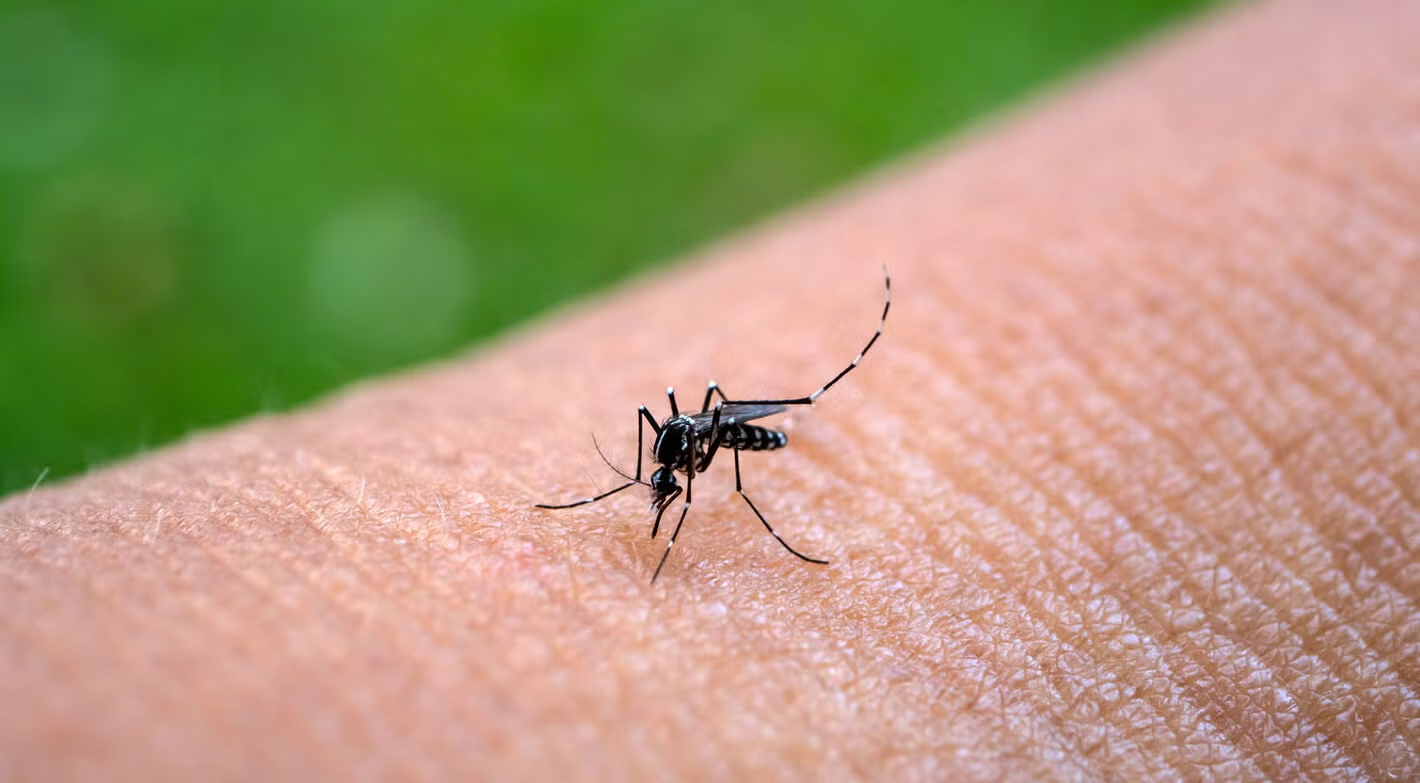
Chikungunya is a globally expanding mosquito-borne disease capable of causing significant acute and chronic joint symptoms. Vaccination offers rapid, durable, and high-level protection for adults and adolescents, while bite-prevention measures remain essential for all travellers, especially in areas where mosquitoes are active.
Chikungunya is an acute febrile illness caused by the chikungunya virus, an alphavirus transmitted by infected Aedes aegypti and Aedes albopictus mosquitoes. It is now endemic in more than 100 countries across Africa, Asia, the Americas, and parts of Europe, with risk expanding due to global travel and widening mosquito distribution.
Higher-risk groups include:
- Travellers and residents in tropical/subtropical regions
- Older adults
- Neonates
- Individuals with underlying conditions (e.g., cardiovascular or rheumatologic disease)
Because Aedes mosquitoes bite primarily during daytime hours, outdoor activities significantly increase exposure risk.
Transmission
Chikungunya is spread exclusively through the bite of infected Aedes mosquitoes. These aggressive daytime feeders bite most often in the early morning and late afternoon.
Symptoms
Symptoms usually begin 1–12 days after exposure and may include:
- Sudden high fever
- Severe, symmetric joint pain (hallmark symptom)
- Muscle aches
- Headache
- Rash
- Nausea
- Fatigue
Up to 50% of patients may experience prolonged joint pain lasting months or years, especially older adults or those with comorbidities.
Duration of Illness
- Acute phase: resolves within 1–2 weeks
- Chronic symptoms: arthralgia or fatigue may persist in 30–60% of cases for months or years
Treatment
Treatment is supportive, as no antiviral therapy exists:
- Acetaminophen for fever
- NSAIDs for pain/inflammation (only after ruling out dengue)
- Adequate hydration
- Physical therapy for prolonged or disabling joint symptoms
Vaccination
Two chikungunya vaccines—VLA1553 (live-attenuated) and PXVX0317 (VLP)—have demonstrated strong effectiveness, rapid immune response, and durable protection in adults and adolescents at risk.
Who Should Receive the Vaccine
- Travellers to endemic regions
- Laboratory professionals working with chikungunya virus
- Adults and adolescents 12 years and older (depending on approval)
Immunity and Effectiveness
Clinical trials show:
- 96–99% seroprotection at 6 months, 1 year, and up to 2 years after a single dose
- Nearly all recipients seroconvert by day 14
- Neutralizing antibodies remain high and protective, comparable to natural infection
- Durability appears independent of age
Natural infection confers lifelong immunity; vaccine responses appear similar.
Booster Dose Guidance
- Boosters are not recommended for immunocompetent individuals
- VLA1553: Antibodies persist for at least 2 years; studies ongoing to 5 years
- PXVX0317: Boosters raise antibody titers, but single-dose immunity stays strong for 2 years
- Individuals with prior chikungunya infection show no booster benefit
Vaccination in Special Populations
Protection is excellent in healthy adults and adolescents, but data are limited for special groups.
1. Immunocompromised Individuals
- VLA1553 (live-attenuated) is generally contraindicated
- Immunocompromised individuals were excluded from trials
- VLP vaccines (PXVX0317) are non-replicating and not contraindicated based on platform
- Safety/immunogenicity data specific to this group are not yet available
2. Pregnant Women
- Live-attenuated vaccines are avoided during pregnancy
- Pregnant individuals excluded from pivotal trials
- Observational data show no major concerns, though a slightly higher miscarriage rate has been reported (uncertain causality)
- VLP vaccines are not contraindicated, but formal safety studies are pending
3. Children Under 12 Years
- No chikungunya vaccine is currently licensed for children under 12
- Trials are underway to expand approval
- In adolescents (12–17):
- ≥96% seroprotection
- Strong safety profile
- Immune responses similar to adults
Data for younger children are still emerging.