
Service by Appointment Only
Reviewed on
December 7, 2025

DUKORAL

Dukoral is an oral vaccine offering strong, short-term protection against cholera and limited, short-duration protection against ETEC

$ 70 .00
Per 2 Doses (Full Schedule)
  • 2 doses 1 week apart, at least 1 week before departure
  • 76-95% effectiveness for minimum 3 to 6 months
  • 43-52% reduction in Traveler's Diarrhea
BOOK AN APPOINTMENT

1. What Is Dukoral and Who Is at Risk?

Dukoral is an oral, inactivated whole-cell Vibrio cholerae O1 vaccine combined with recombinant cholera toxin B subunit. It is one of three WHO-prequalified oral cholera vaccines and is licensed in more than 60 countries worldwide.

Its primary indication is the prevention of cholera. In some countries (e.g., Canada, Sweden), it is also approved for prevention of traveler’s diarrhea caused by ETEC.

Dukoral is used:

  • By travellers visiting cholera-endemic regions
  • In outbreak settings requiring rapid, short-term protection
  • In areas where WASH (water, sanitation, hygiene) improvements are not immediately feasible

Individuals at increased risk include:

  • Travellers to high-risk or outbreak areas
  • Humanitarian workers
  • Children, older adults, and immunocompromised individuals (higher dehydration risk)

Transmission, Symptoms, and Treatment

How Cholera and ETEC Spread

Both infections spread via the fecal-oral route, typically through:

  • Contaminated water
  • Contaminated or undercooked food
  • Poor sanitation or inadequate hand hygiene

Symptoms

Cholera

  • Profuse watery diarrhea (“rice-water stools”)
  • Vomiting
  • Rapid dehydration and electrolyte imbalance

ETEC

  • Watery diarrhea
  • Abdominal cramps
  • Nausea
  • Usually short-lived

Treatment

  • Oral rehydration therapy is essential
  • IV fluids for severe dehydration
  • Antibiotics may be used for severe cholera or selected ETEC cases

Vaccination

Indications

  • Primary: Prevention of cholera (V. cholerae O1)
  • Secondary (country-dependent): Prevention of ETEC-related traveler’s diarrhea
  • WHO use-case: Prevention for travellers and in non-emergency cholera control settings

Dukoral is not the preferred vaccine for mass cholera campaigns due to cost and buffer mixing requirements, but is frequently used for traveller protection.

Contraindications

  • Hypersensitivity to vaccine components
  • Active GI illness or fever at time of dosing

Side Effects

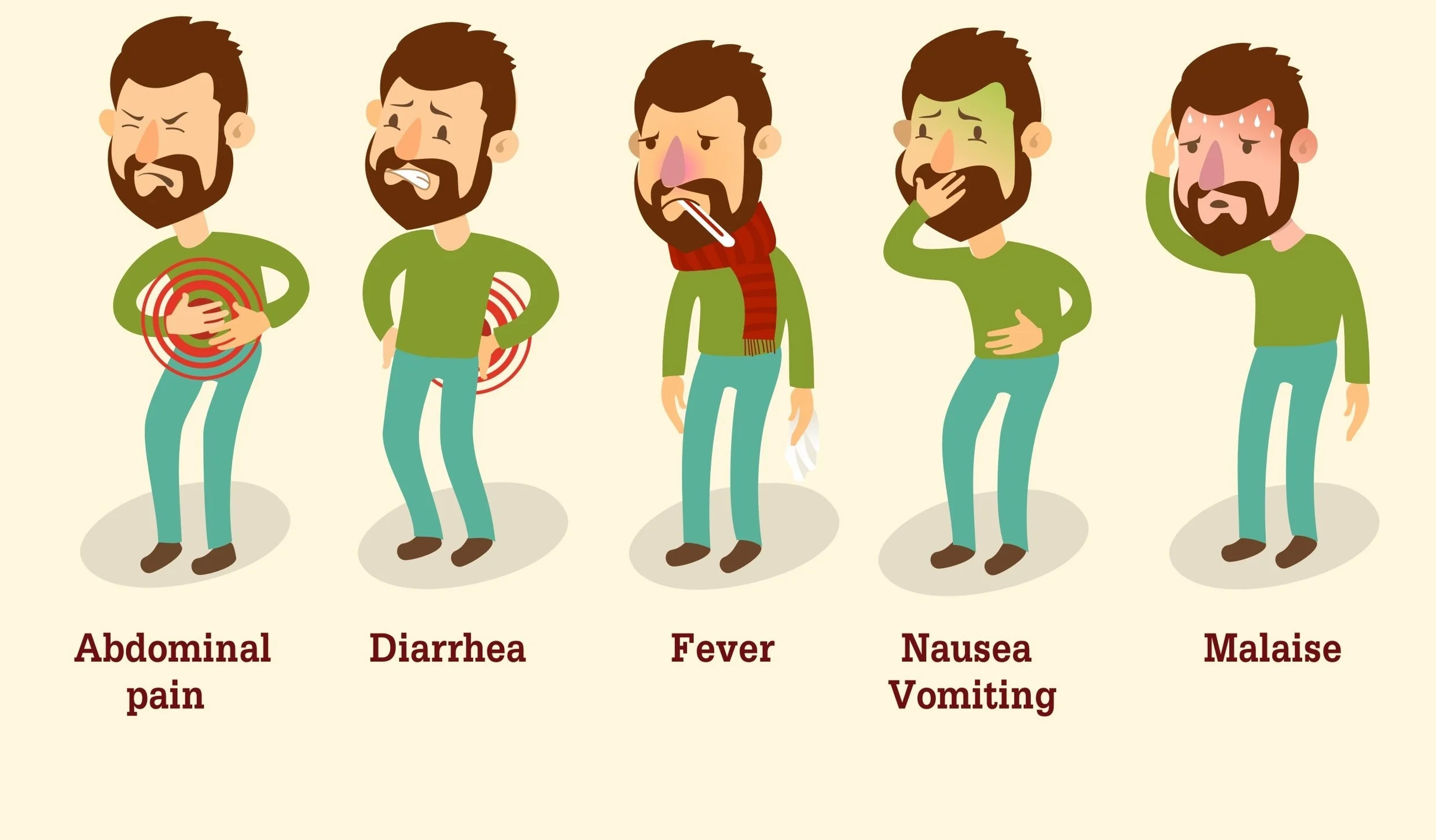
Generally mild, such as:

  • Abdominal discomfort
  • Diarrhea
  • Nausea
  • Headache

Serious reactions are rare.

Special Populations

Immunocompromised individuals:

  • Lower seroconversion possible (especially with mycophenolate)
  • Most still mount a meaningful response
  • Adverse effects remain mild

Pregnancy & lactation:

  • Not contraindicated
  • Consider when exposure risk is significant

Schedule and Dosing

Dukoral is administered as a drink mixed with a bicarbonate buffer.

Age Group Primary Series Interval Complete By
Adults & children ≥6 years 2 doses 1–6 weeks apart ≥1 week before exposure
Children 2–5 years 3 doses 1–6 weeks apart ≥1 week before exposure

Boosters:

  • Adults: every 2 years if risk continues
  • Children 2–5 years: every 6 months

Effectiveness – Cholera Protection

Dukoral provides high short-term protection:

  • 76–85% effectiveness at 5–6 months
  • Protection may last up to 2 years in adults and children (waning over time)

Trials and meta-analyses confirm strong early protection, excellent safety (comparable to placebo), and suitability where rapid immunity is needed.

Dukoral is emphasized for traveller protection and non-emergency cholera control, and is less commonly used for mass campaigns due to logistical demands.

Effectiveness Against ETEC: Updated Evidence

The effectiveness of Dukoral for ETEC-related traveler’s diarrhea is modest, variable, and short-lived.

Randomized Controlled Trials

The strongest evidence shows:

  • No statistically significant reduction in:
    • ETEC-attributable diarrhea
    • All-cause traveler’s diarrhea
    among travellers to Mexico receiving the current Dukoral formulation.

Earlier vaccines (now discontinued) showed temporary protection (~3 months), but these results do not apply to current Dukoral.

Observational Studies

Some retrospective studies report:

  • 43–52% reduction in traveler’s diarrhea, but results are confounded and inconsistent.

Challenge studies show higher protection (72–79%), mainly for severe ETEC illness, but these findings do not reliably translate to real-world travel.

Duration of Protection for ETEC

  • Typically up to 3 months for ETEC
  • Effectiveness declines rapidly afterward

Guideline Consensus

Most travel medicine guidelines conclude:

  • Dukoral is not routinely recommended for ETEC prevention
  • Use is primarily for cholera prevention
  • ETEC causes only a minority of traveler’s diarrhea
  • Real-world benefit is limited
Latest Articles on Traveler's diarrhea