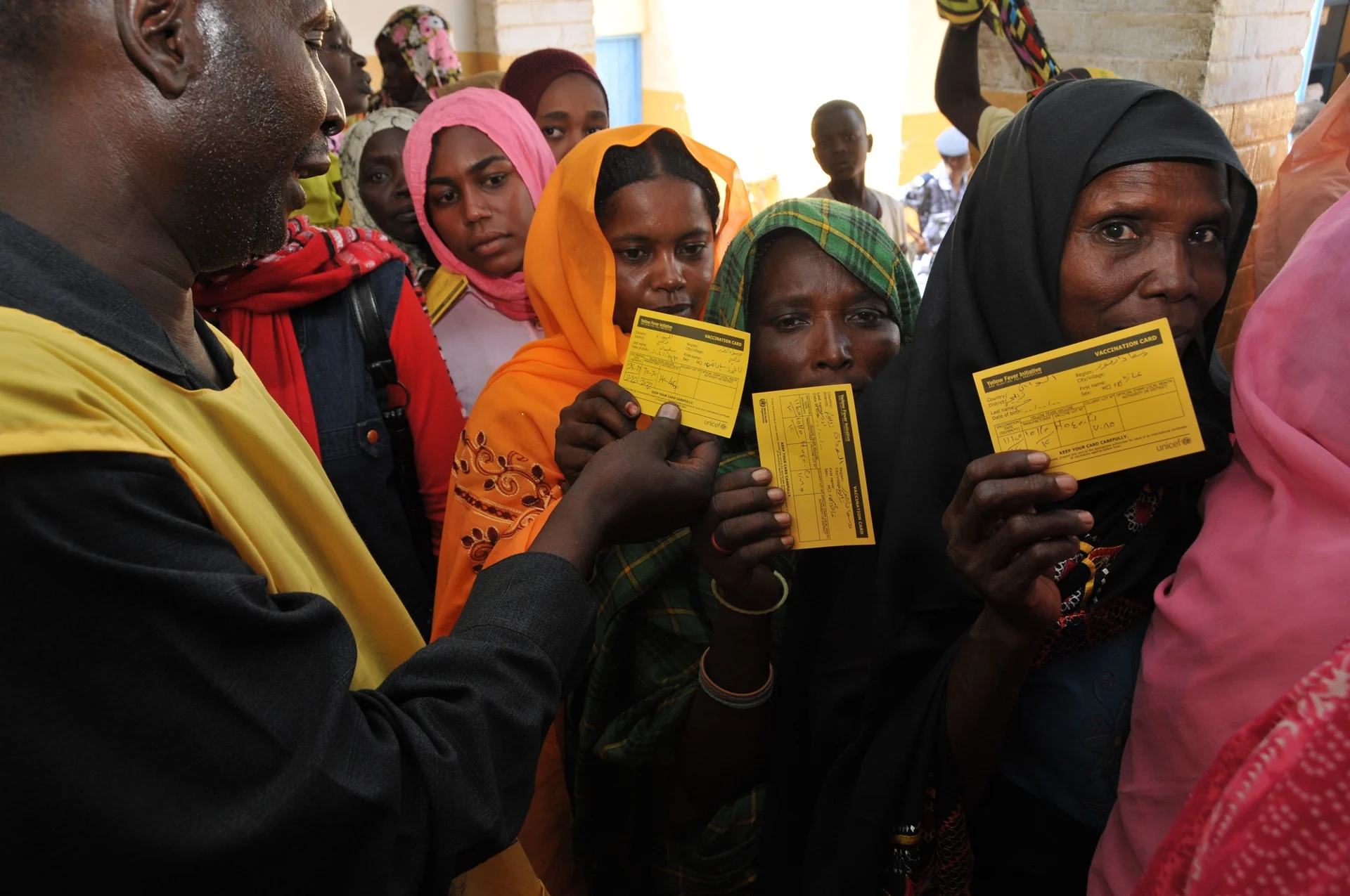
Yellow fever is a serious but preventable viral disease found in parts of sub-Saharan Africa and tropical South America. It is transmitted by mosquitoes and can cause anything from mild illness to severe, life-threatening infection. Travelers to affected regions may require vaccination for both medical protection and international entry requirements.
Yellow fever is caused by a flavivirus spread through mosquito bites. The primary mosquito species involved are:
- Aedes mosquitoes in Africa
- Haemagogus mosquitoes in South America
The virus circulates in jungle, savannah, and urban environments. Outbreaks may occur when infected mosquitoes spread the virus among humans and non-human primates.
Countries at Risk
Yellow fever is endemic in 44 countries, including:
- 27 countries in Africa
- 13 countries in South America
Travelers visiting forested, rural, or outbreak-prone areas face the highest exposure.
Higher-Risk Groups
Increased risk of infection or severe disease occurs in:
- Unvaccinated travelers
- Individuals spending time in rural, forested, or high-exposure environments (agriculture, mining, ecotourism)
- Infants under 6 months
- Adults over 60
- Pregnant people
- Travelers with weakened immune systems
- Individuals with thymus disorders
These factors help determine whether the vaccine is recommended or contraindicated.
How Yellow Fever Spreads
Yellow fever is transmitted only through the bite of an infected mosquito. It does not spread person to person. Humans and non-human primates serve as reservoirs.
Symptoms and Duration of Illness
Yellow fever ranges from asymptomatic infection to severe, life-threatening disease.
Acute Phase (3–6 days)
Common symptoms:
- Sudden fever
- Headache
- Muscle pain (especially back pain)
- Nausea and vomiting
- Weakness and malaise
Many individuals recover fully after this phase.
Remission Phase
About 12–15% experience brief improvement (up to 48 hours) before worsening into the toxic phase.
Toxic Phase
Severe symptoms may include:
- Return of high fever
- Jaundice
- Abdominal or epigastric pain
- Profuse vomiting
- Kidney failure
- Bleeding (gums, nose, GI tract, under skin)
- Hematemesis (“black vomit”)
- Cardiovascular instability
- Multi-organ dysfunction
The toxic phase poses the greatest risk; 20–60% of these patients may not survive.
How Long Yellow Fever Lasts
- Mild cases: Recover in 7–10 days.
- Severe cases: May last several weeks, especially with liver or kidney involvement.
- Prolonged recovery:
- Fatigue may persist for weeks.
- Jaundice can last up to 3 months.
According to ACIP, mild cases resolve fully; severe cases may require extended hospitalization.
Treatment
There is no specific antiviral treatment. Care is supportive and based on severity:
- Intravenous fluids
- Correction of electrolyte/metabolic abnormalities
- Acetaminophen for fever (avoid NSAIDs/aspirin)
- Liver and kidney monitoring
- Prevention/treatment of bleeding
- Mechanical ventilation for respiratory failure
- Dialysis for kidney failure
- Critical care support for multi-organ failure
Vaccination
The yellow fever vaccine is the most effective prevention tool and is required for entry into many countries. It is a single live-attenuated dose administered at certified vaccination centers.
Who Should Be Vaccinated
Recommended for:
- Adults and children 9 months and older traveling to endemic areas
- Travelers entering countries that require proof of vaccination
Not recommended for:
- Infants under 9 months
- Individuals with significant immune compromise (i.e., AIDS, HIV, Leukemia, receiving radiation, antimetabolites, high-dose corticosteroids)
- Individuals with hypersensitivity to eggs or egg-containing food
- Individuals with thymus disorders (i.e., Myasthenia Gravis, thymoma, history of thymectomy, other thymic disfunction)
- Certain medical conditions unless cleared by a clinician
Immunity Timeline
- 10 days:
- Immunity begins
- 80% protected
- ICVP becomes valid
- 28 days:
- Long-term:
- A single dose provides lifelong protection for most people
- A booster may be considered after 10 years for travel to outbreak zones
Vaccine Safety and Side Effects
The vaccine is safe and effective; serious adverse events are extremely rare.
Pediatric Patients (≥9 Months)
Common side effects:
- Mild headache
- Low-grade fever
- Muscle aches
- Fatigue
- Redness, pain, or swelling at injection site
These typically last 5–10 days. Fever may occur in up to 21% of infants.
Rare but serious adverse events:
- YEL-AND (neurotropic disease: encephalitis, GBS, ADEM)
- Highest risk in infants <6 months (vaccine contraindicated)
- Much lower risk ≥9 months
- Estimated incidence:
- 3 per 100,000 (ages 6–8 months)
- <1 per 100,000 (≥9 months)
- YEL-AVD (viscerotropic disease): extremely rare in children
Adults
Common side effects (10–30%):
- Headache
- Muscle aches
- Low-grade fever
- Fatigue
- Injection-site pain
Rare but serious events:
- YEL-AND: ~0.8 per 100,000
- YEL-AVD: ~0.3 per 100,000
- Anaphylaxis: 1.3 per 100,000 (mainly with egg allergy)
Risk modestly increases in adults ≥60 years.
Pregnant Patients
Data suggest:
- No proven rise in major birth defects
- No confirmed increase in fetal loss
- Minor findings in some small studies (not confirmed in larger research)
The vaccine is generally well tolerated.
- Immune response may be reduced, especially in the third trimester
- Vaccination recommended only when travel is unavoidable
Serious events in pregnancy is very rare.