
Cuban health authorities report that a widespread outbreak of chikungunya and dengue has resulted in 33 deaths since midsummer, including 21 young children. Deputy health minister Carilda Peña confirmed the numbers in a state television announcement, noting that most deaths were linked to chikungunya.
The outbreak began in the western province of Matanzas and has since spread nationwide, affecting all 15 provinces of the island, home to 9.7 million residents.
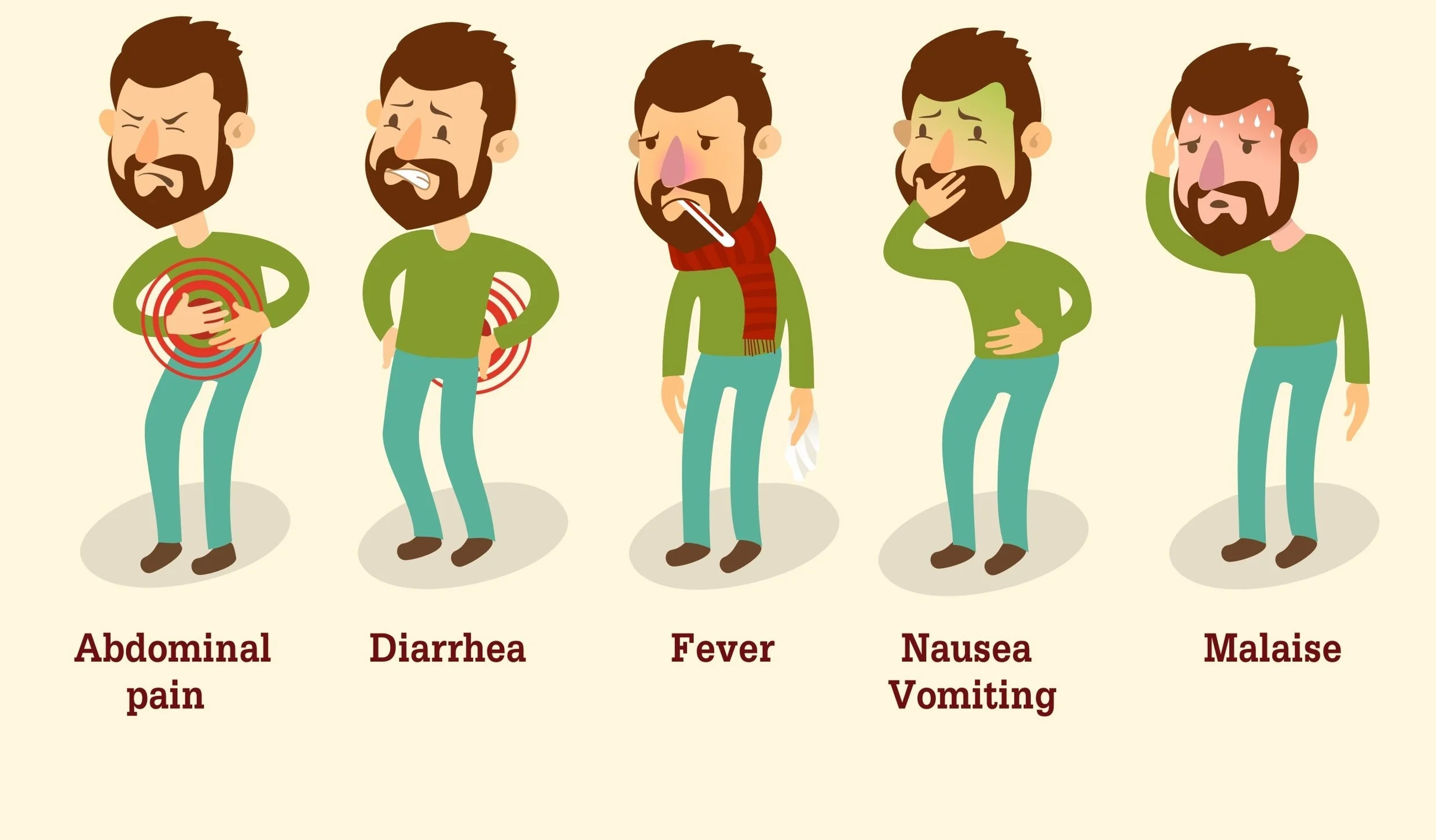
Chikungunya, a virus first identified in Africa in the 1950s, causes:
Symptoms generally begin 3–7 days after a mosquito bite. While many recover within a week, some experience lingering joint pain for months or even years. Severe or fatal cases are uncommon but can occur in infants, older adults, and people with chronic conditions.
Cuba is also seeing a rise in dengue, another mosquito-borne illness that can cause flu-like symptoms and, in severe cases, life-threatening complications.
Health officials say several factors have made the outbreak significantly harder to control than previous surges, including Cuba’s 2014 chikungunya wave:
These conditions create ideal breeding environments for mosquitoes and limit the country’s response capabilities.
In response to the growing outbreak, the U.S. Centers for Disease Control and Prevention (CDC) has issued travel notices urging Americans visiting chikungunya-affected regions—including Cuba—to take enhanced precautions:
Other locations with active chikungunya travel alerts include Bangladesh, Guangdong Province (China), Kenya, Madagascar, Somalia, and Sri Lanka.
The CDC also notes that New York reported its first locally acquired chikungunya case since 2019 in October 2025, indicating increasing regional risk.